
Gaudí’s dragon-tiled park, the world’s tallest church, a football museum that turns children into Barça fans, a funfair on a mountain and the Mediterranean on the doorstep: Barcelona is one of Europe’s great family cities. And in 2026 it is European Capital of Christmas.
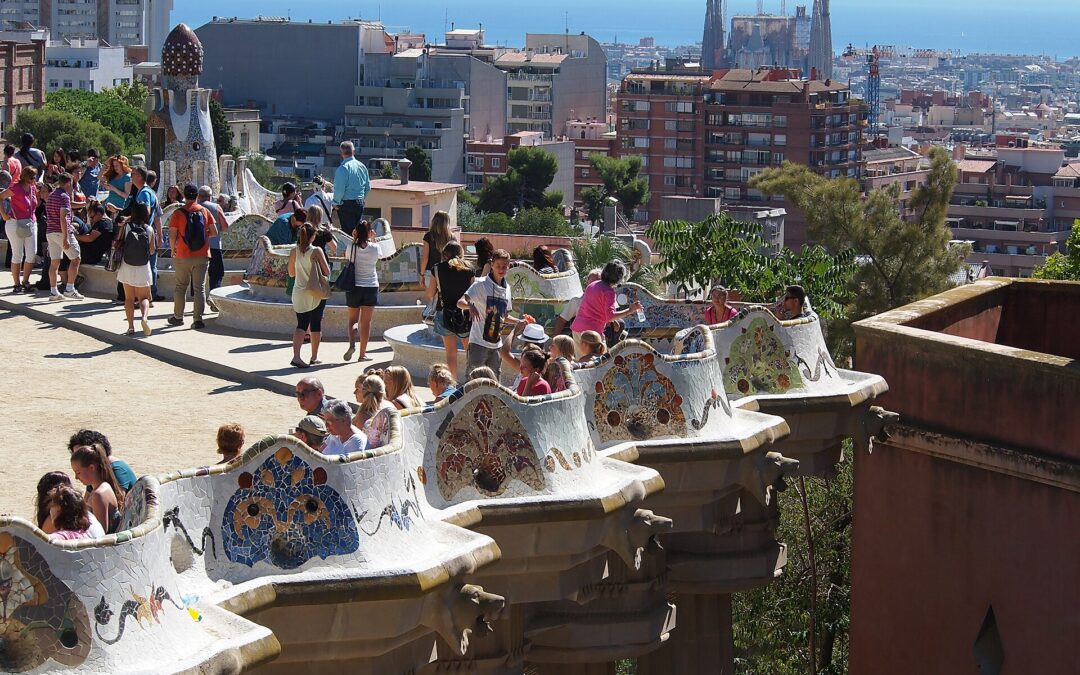
Featured photo: Park Güell. Photo: Danbu14 / Wikimedia Commons, CC BY-SA 3.0
Few cities offer families so much variety in one place. In a single weekend you can walk through a fairy-tale park, climb inside a basilica that looks like a stone forest, relive football history, ride a vintage Ferris wheel above the city and end the day on the beach. Barcelona is lively, sunny for much of the year and easy to explore by metro.
Gaudí’s Barcelona
Sagrada Família
Antoni Gaudí’s masterpiece is the symbol of Barcelona, and 2026 is a historic year to see it. On 20 February 2026 the cross was placed on the central Tower of Jesus Christ, bringing the basilica to its full height of 172.5 metres and making it the tallest church in the world, 144 years after construction began. On 10 June 2026, the centenary of Gaudí’s death, the tower was blessed and inaugurated by Pope Leo XIV.
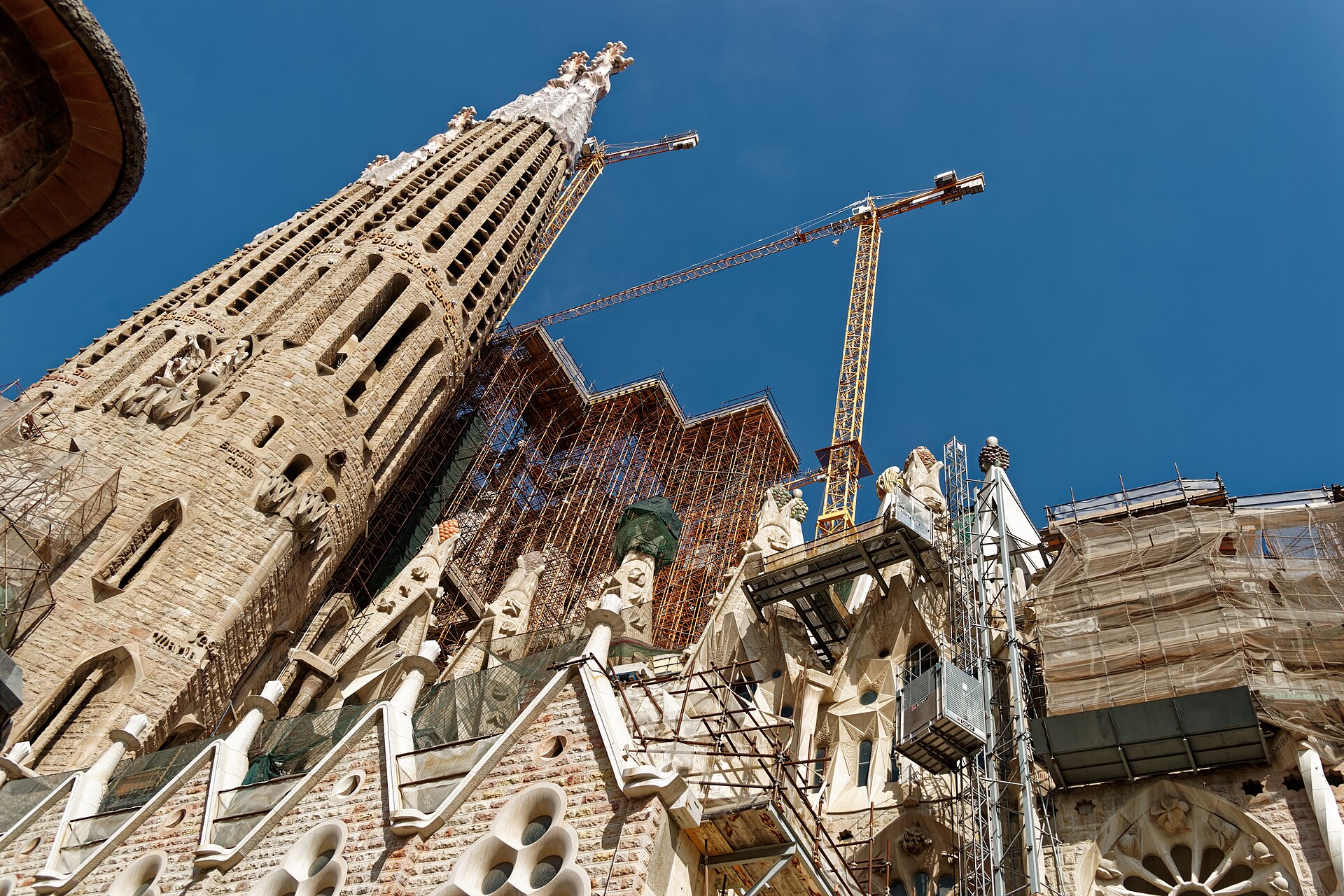
Inside, children are amazed by the columns that branch like trees and the stained-glass windows that flood the nave with green, blue, orange and red light. Go in the morning for the cool colours or late afternoon for the warm ones.
Good to know: book timed tickets online well in advance; they sell out. Ask about the family audio guide, and allow about an hour and a half.
Park Güell
Gaudí’s hilltop park feels like walking into a storybook: gingerbread-style gatehouses, a famous mosaic dragon (or lizard) on the staircase, a serpentine bench covered in broken-tile mosaics, and views over the whole city to the sea. The monumental zone requires a timed ticket, so book ahead. Around it are free park areas with paths and viewpoints where children can run.
Casa Batlló and La Pedrera
On Passeig de Gràcia, Gaudí’s two famous houses are surprisingly family-friendly. Casa Batlló, with its “dragon’s back” roof and bone-like balconies, uses augmented reality and immersive rooms that bring the house to life for children. At La Pedrera (Casa Milà), the rooftop of wavy chimneys that look like warriors is a favourite.
Barça Museum and Spotify Camp Nou
For football-loving families, a visit to FC Barcelona is a must. Spotify Camp Nou, home of the club since 1957, is in the final phase of a huge rebuilding project. While the works continue, the club’s museum has moved to a temporary 2,400 m² space as part of the Barça Immersive Tour.
- The museum: the club’s history, from its early days to the trophies and legends, with an audio guide in many languages, including English, Portuguese and German.
- Spotify Camp Nou Live: a large 360-degree audiovisual room that makes you feel you are in the stadium on match day.
- Construction viewpoint: a lookout where you can watch the new stadium taking shape.
- Extras for young fans: depending on the ticket, a virtual reality experience or the chance to try to beat a robot goalkeeper.
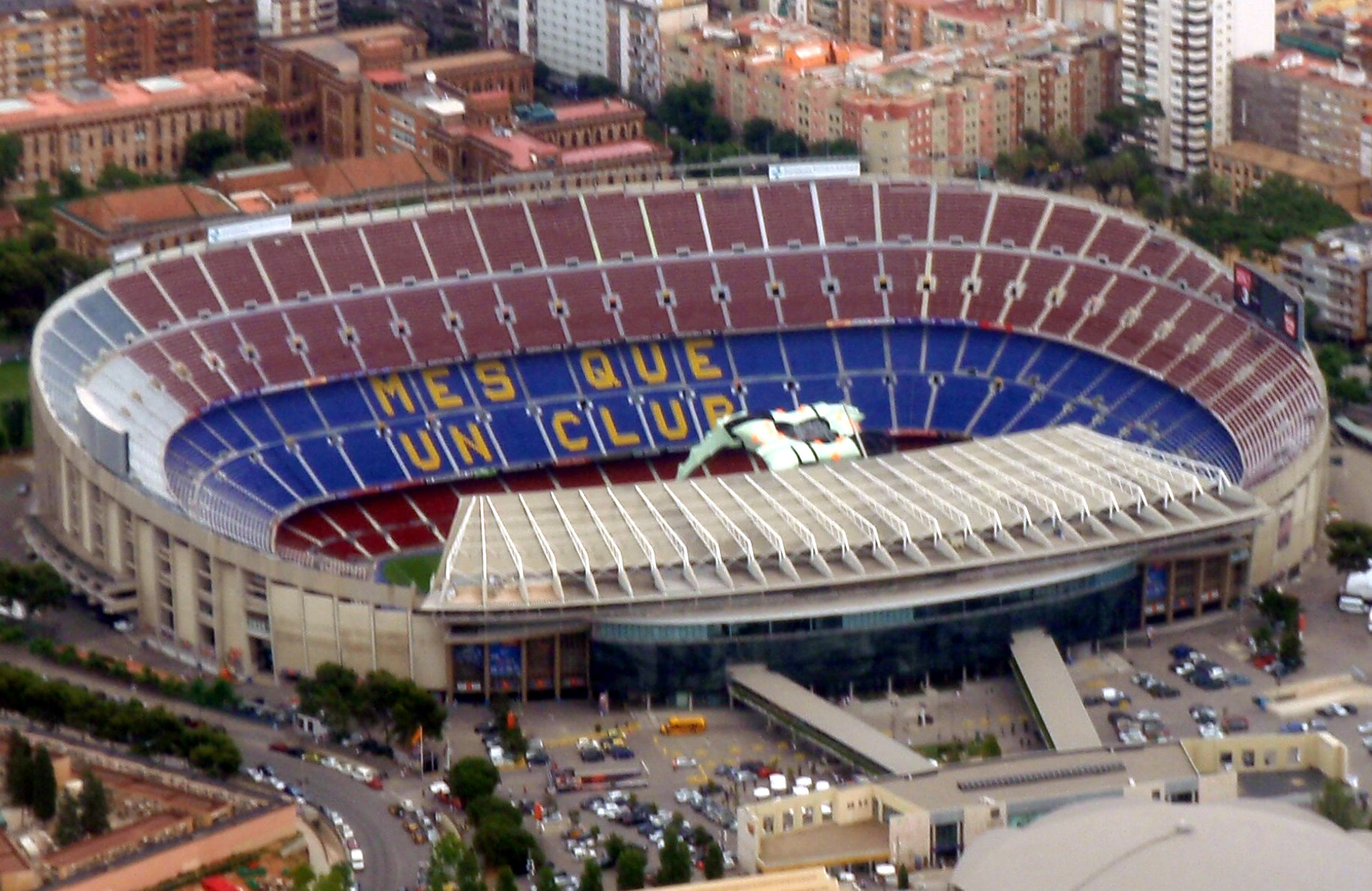
The classic stadium tour, with dressing rooms and players’ tunnel, is not fully available during the works. It is expected to return once the stadium is finished. On some match days there is also a special guided tour that includes a walk on the pitch.
Tip: buy tickets on the official FC Barcelona website, where online booking avoids queues. Children’s tickets are cheaper than adult tickets, and young children go free. The immersive room is not recommended for people with photosensitive epilepsy.
Watching a match is unforgettable for older children. Check the fixture list early and buy only through official channels.
More family favourites
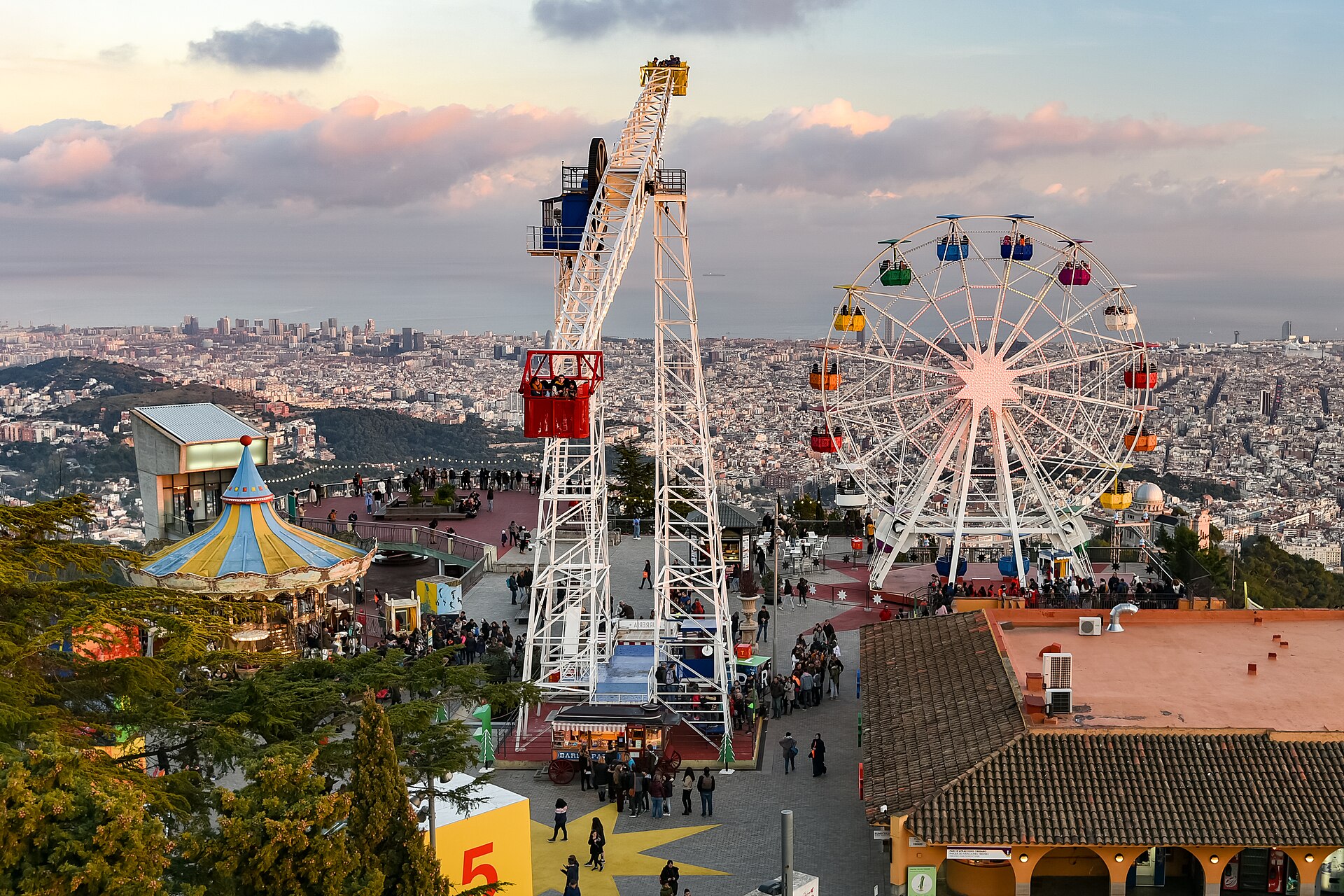
- Tibidabo: on the summit of the mountain behind the city stands one of the oldest amusement parks in Europe, opened in 1901, with vintage rides, a historic Ferris wheel and breathtaking views. Getting there by the Tramvia Blau and funicular is part of the fun.
- CosmoCaixa: one of Europe’s best science museums, with a recreated Amazon rainforest under glass and a hands-on area for small children.
- L’Aquàrium: at Port Vell, with a long underwater tunnel where sharks glide overhead.
- Montjuïc: take the cable car up to the castle for views over the port, visit the Fundació Joan Miró with its colourful art, and check the schedule of the Magic Fountain shows at the foot of the hill.
- Parc de la Ciutadella: rowing boats on the lake, a monumental fountain and lots of space to play, right next to Barcelona Zoo.
- Chocolate Museum: a small, fun museum in the Born with sculptures made of chocolate, and a chocolate ticket you can eat.
- The beach: Barceloneta and the quieter beaches further north, such as Nova Icària, are perfect for a break between sights.
Barcelona at Christmas: European Capital of Christmas 2026
Barcelona was named European Capital of Christmas 2026, recognised for combining centuries-old Catalan traditions with creativity and community participation. This December the city celebrates with an expanded programme: more than 130 kilometres of Christmas lights, new artistic light installations, markets and cultural events.
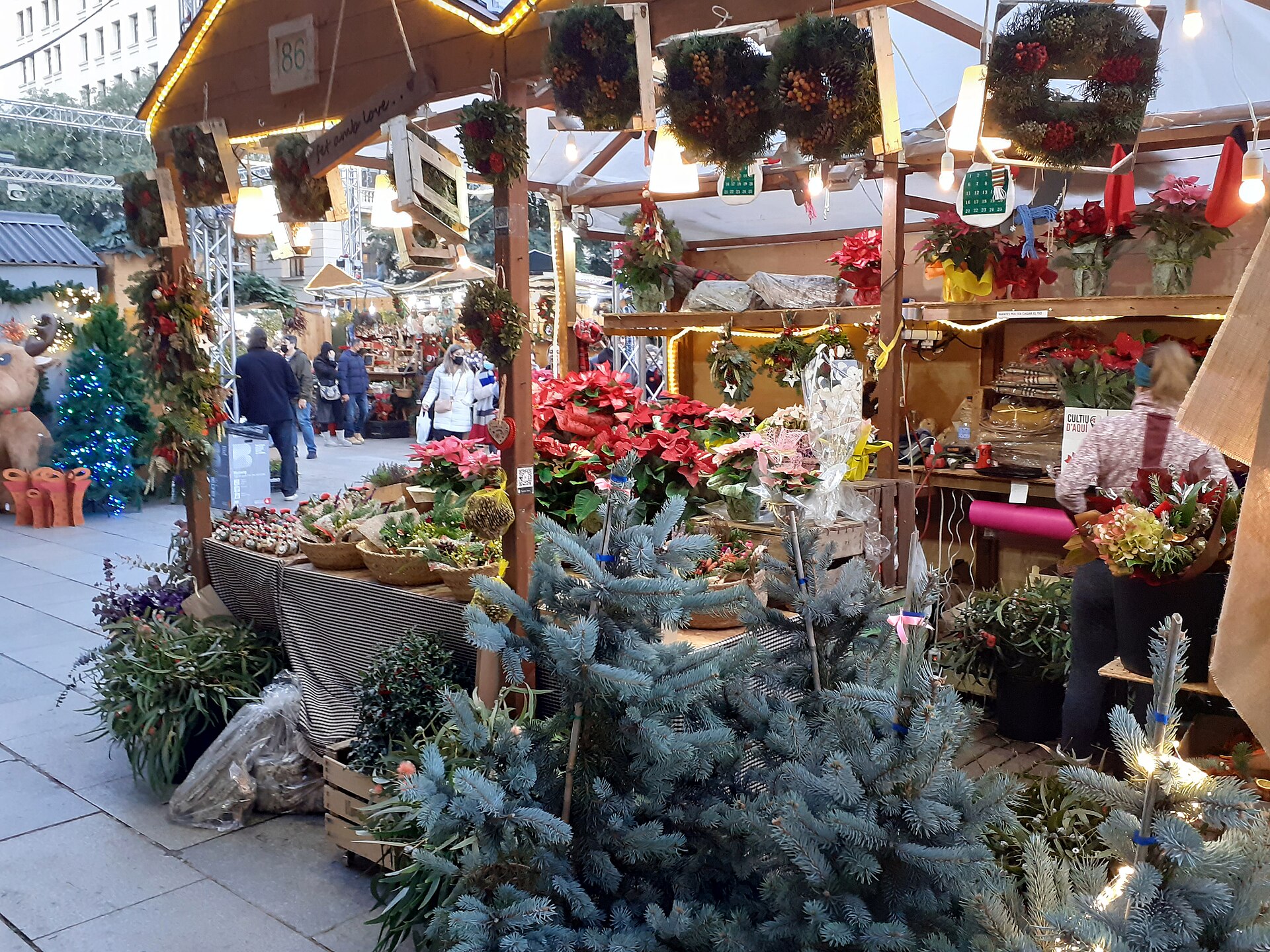
- Fira de Santa Llúcia: the city’s traditional Christmas market in front of the Cathedral, with nativity figures, moss, mistletoe and decorations.
- The Caga Tió: children will love this Catalan tradition, a smiling log with a blanket that is “fed” during Advent and then tapped with sticks on Christmas Eve while singing, so that it “poos” sweets and small presents. You will find them everywhere at the markets.
- The Caganer: the cheeky little figure hidden in every Catalan nativity scene, now made in the likeness of footballers and celebrities. Spotting them is a family game.
- Three Kings Parade: on the evening of 5 January, the Three Kings arrive by boat and parade through the city, throwing sweets to the crowds. In Spain this is the big gift-giving moment for children.
A family plan for three days
- Day 1: Gaudí. Sagrada Família in the morning, lunch in Gràcia, Park Güell in the afternoon.
- Day 2: Football and the sea. Barça Immersive Tour in the morning, Aquarium and beach in the afternoon, an evening walk through the Gothic Quarter.
- Day 3: Up high. Tibidabo or Montjuïc with the cable car, then CosmoCaixa or Parc de la Ciutadella.
Practical tips
- Book ahead: Sagrada Família, Park Güell, Casa Batlló and the Barça tour all use timed or online tickets and sell out in busy periods.
- Getting around: the metro is fast and easy with children. A multi-trip transport card is good value. Many central areas are walkable.
- Pickpockets: Barcelona is known for them, especially on the metro, on La Rambla and at the big sights. Keep bags closed and phones out of back pockets.
- Meal times: Spaniards eat late, with lunch from 14:00 and dinner from 21:00. Tapas bars and markets are great for flexible family meals.
- Best time to visit: spring and autumn are ideal. Summer is hot and crowded. December is mild and festive.
- Where to stay: the Eixample and Gràcia are central, safer-feeling and full of family apartments, with easy metro access to everything.
Why Barcelona works for families
Barcelona turns sightseeing into play: architecture that looks like it came from a fairy tale, a football club with a museum full of trophies, rides on a mountaintop and a beach to finish the day. With the Sagrada Família finally reaching its full height in Gaudí’s centenary year, and the whole city celebrating as European Capital of Christmas, there has never been a better time to go.